Guide prices in Aston
About 1 × 2 m
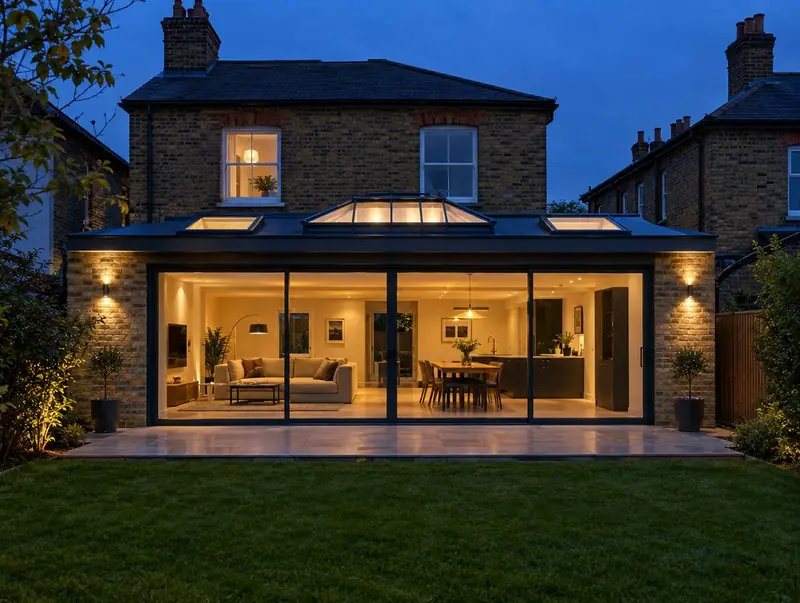
Aluminium lantern, double glazed, fitted and glazed on a ready upstand
About 1.5 × 3 m
Mid-size lantern, solar-control glass options
2 × 4 m and over
Large lanterns, lifting gear on the day
Guide ranges for supply & fit. Your price is fixed in a written quote after we have seen photos or surveyed. Scaffold, access towers or a crane are priced separately if the job needs them, and building control fees, where a job needs them, are shown as their own line.
Areas around Aston we cover
Distance is rarely the deciding factor. A roof in Birmingham, 1 mile from Aston, gets the same survey, the same written quote and the same fitting process as one in B6, B7 and B19. What changes the price is the job itself: size of unit, roof type, access and lifting. Smethwick, around 4 miles out, is treated the same way.
Fit-only or supply and fit
Supply and fit tends to suit people who would rather not pick a unit from a catalogue. We look at the roof, the opening and how you use the room, then put a roof lantern on the quote that fits all three. Fit-only suits people who already know what they want, or have one on site. We are happy with either. The difference is who stands behind what: on fit-only, the maker or retailer covers the product, and our workmanship guarantee covers the installation.
What the job includes
- Glass lifted and laid into the frame by hand or with gear
- Frame assembled on the kerb in the maker's set order
- Internal trims fitted to the ring beam or upstand
- Following the build order — We assemble lanterns in exactly the sequence the instructions give.
- Lanterns and planning — We check whether your lantern can go in without a planning application.
What happens on the day
Protection comes before tools. Floors, furniture and stairs get covered, and the ceiling below the opening is sheeted to catch dust. Up top, the fitters confirm the opening is square and the upstand or flashing suits what the maker specifies. Fixing follows, then weather-sealing into the membrane, felt or tiles. Only once the roof is tight do they turn to the internal reveal. Time on site for a roof lantern: one to two days, weather permitting.
Regulations for Aston properties
Two sets of rules matter in England. Planning: a rooflight on a house is normally permitted development if it projects no more than 0.15 m and stays below the highest part of the roof, but flats, listed buildings and Article 4 areas need checking. Building regulations: new openings need approval for the structure and energy performance, and a replacement is a controlled fitting. We are not registered with a competent person scheme, so we notify replacements to building control with a building notice and put the council's fee on the quote.
Help us quote accurately
A fast quote needs five things: a photo of the roof from outside, one from the room below, rough sizes of the opening or the space, the roof covering (felt, single-ply, fibreglass, tiles, slate or metal), and a note on access. If you have already bought the unit, add the product link or spec sheet. And give us the postcode, B6 or a neighbouring district.
Common questions in Aston
Can you replace an old dome without redoing the whole roof?
Usually, yes. If the existing kerb is sound, level and tall enough, a new unit can often sit on it with a fresh seal to the roof covering. If the kerb is rotten or too low, we rebuild it and patch the covering around it rather than stripping the whole roof. This is checked at the survey and included in the written quote, so you know the full scope first.
Does a rooflight need building regulations approval?
A new opening usually needs building regulations approval. A replacement is a controlled fitting: it must be self-certified by an installer registered with a competent person scheme or notified to building control. We are not registered with a scheme, so replacements we fit are notified to building control with a building notice, and the council's fee is shown on your quote.
What upstand height and roof pitch does roof lantern fitting need?
It depends on the product. Manufacturers usually specify a minimum upstand height above the finished roof surface, and a minimum pitch on the glass so rain runs off. We follow the maker's figures for your unit rather than a rule of thumb. If your existing kerb or roof falls short, we explain the options, such as raising the upstand or choosing a unit with built-in pitch.
Get in touch with the details of your Aston property and we will explain what the job involves and what it costs.