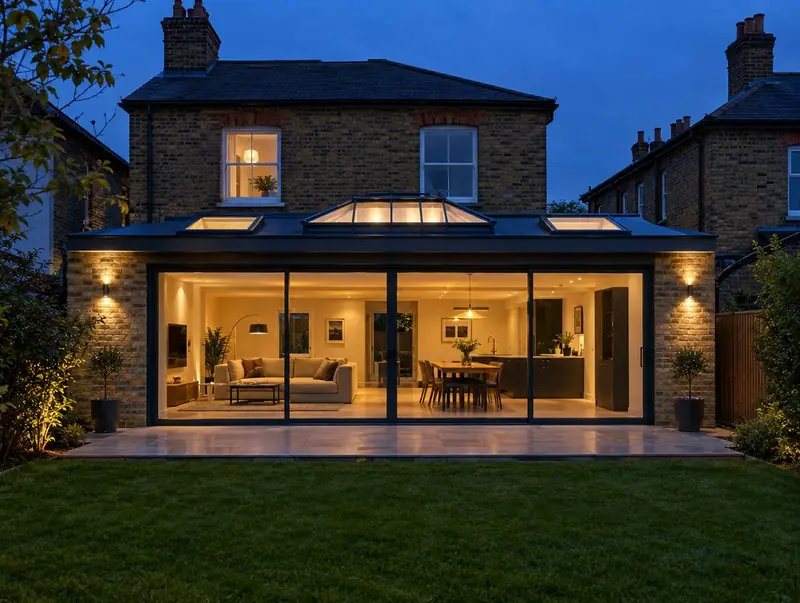
Thorne guide prices
About 1 × 2 m
Aluminium lantern, double glazed, fitted and glazed on a ready upstand
About 1.5 × 3 m
Mid-size lantern, solar-control glass options
2 × 4 m and over
Large lanterns, lifting gear on the day
Guide ranges for supply & fit. Your price is fixed in a written quote after we have seen photos or surveyed. Scaffold, access towers or a crane are priced separately if the job needs them, and building control fees, where a job needs them, are shown as their own line.
Where our fitters travel
If you also own a property or a business unit in Goole, Doncaster or Bentley, that is no problem. We can survey and quote both, and where it suits, line the fitting days up together. Every address is reached by fitters travelling to it from their current jobs, and DN8, DN7 and DN3 sit comfortably within that pattern.
Fit-only or supply and fit
If you have bought a roof lantern yourself, we check four things before fitting. First, the delivery: open it, look for chips, cracks and bent frames, and report any damage to the seller straight away. Second, the size, measured against the builder's opening rather than the external frame. Third, the upstand height above the finished roof. Fourth, the maker's instructions, which set the fixings and sealing. Product warranty claims go to the seller and maker; our guarantee is for how it was fitted.
What the job includes
- Glass lifted and laid into the frame by hand or with gear
- Upstand checked for size, level and square before the kit is opened
- Internal trims fitted to the ring beam or upstand
- Following the build order — We assemble lanterns in exactly the sequence the instructions give.
- Upstand size and tolerance — We check the kerb against the lantern maker's figures before the kit is opened.
A typical installation day
Protection comes before tools. Floors, furniture and stairs get covered, and the ceiling below the opening is sheeted to catch dust. Up top, the fitters confirm the opening is square and the upstand or flashing suits what the maker specifies. Fixing follows, then weather-sealing into the membrane, felt or tiles. Only once the roof is tight do they turn to the internal reveal. Time on site for a roof lantern: one to two days, weather permitting.
Planning, building control and Thorne
Two sets of rules matter in England. Planning: a rooflight on a house is normally permitted development if it projects no more than 0.15 m and stays below the highest part of the roof, but flats, listed buildings and Article 4 areas need checking. Building regulations: new openings need approval for the structure and energy performance, and a replacement is a controlled fitting. We are not registered with a competent person scheme, so we notify replacements to building control with a building notice and put the council's fee on the quote.
Getting a price from photos
Each detail you send takes a question off our list. Photos inside and out show the opening and the ceiling. Rough measurements tell us the unit size. The roof covering tells us how it will be sealed in. Access notes tell us whether a tower or scaffold is needed. A product link, if you have one, lets us check it against the opening. Your postcode, DN8 or nearby, confirms travel.
Common questions in Thorne
Can you fit a rooflight in winter or when it is raining?
Yes, within limits. Cold is less of a problem than wet, because membranes, primers and sealants need a dry surface to bond. We plan fitting days around the forecast and may move a date if heavy rain is due. If the roof has to be opened up, it is not left overnight without a temporary weather seal, so the room below stays dry while the work is finished.
What if my roof opening is the wrong size for the roof lantern?
We find out before the fitting day, not on it. If the opening is slightly out, it can usually be adjusted by trimming or by packing out the upstand. If it is a long way off, the choice is between altering the opening and changing the unit. Bear in mind that rooflights are often sold by builder's opening size rather than external size, so check which one your measurement refers to.
Do you make good inside after fitting?
Yes, where the quote includes it. Internal finishing usually means lining the reveal with plasterboard, taping or skimming, and fitting trim where it meets the ceiling. Some people prefer their own plasterer or decorator to finish off, which is fine. The written quote spells out exactly where our work stops, so nobody is left guessing about who does what once the unit is in.
Send a few photos and your DN8 postcode, and we will put together a written quote for the job.